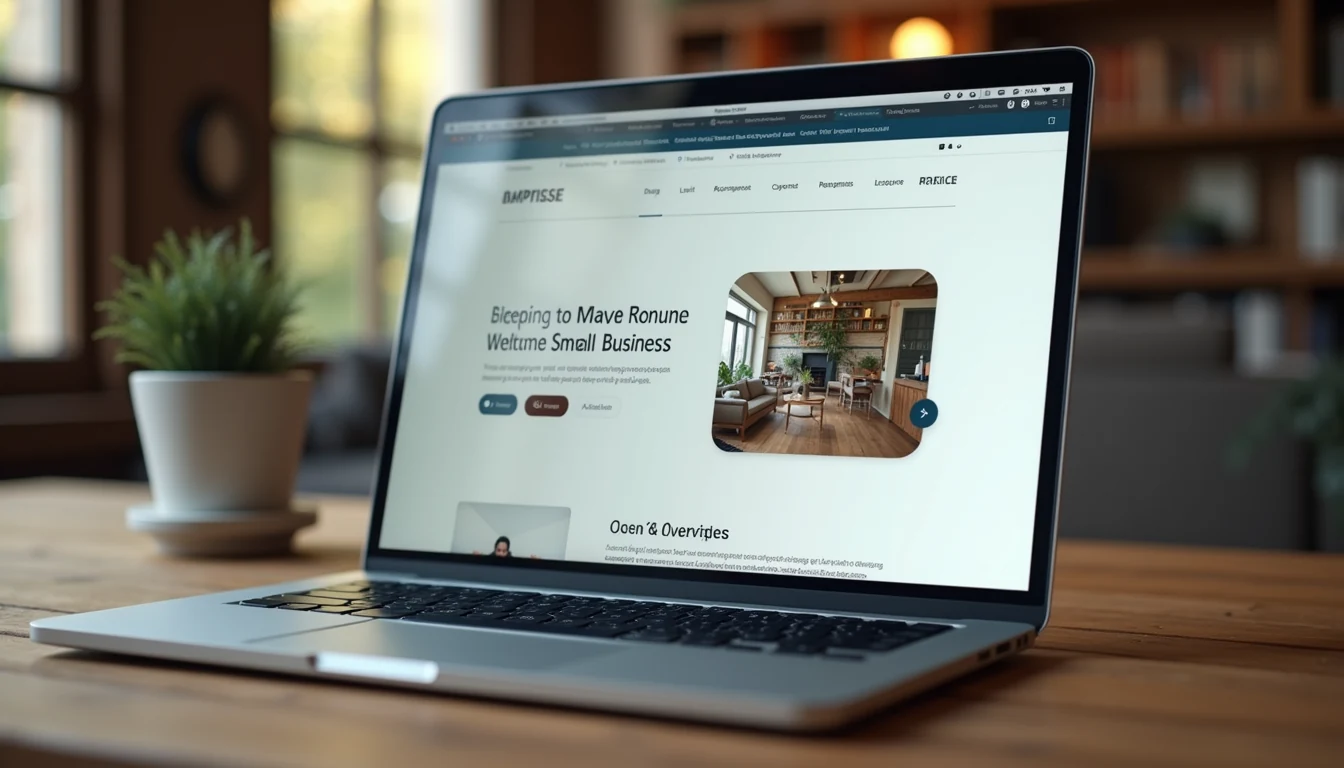




Building a strong brand is more than just a logo or a catchy slogan. It’s about creating a clear, consistent identity that resonates with your audience and sets you apart from the competition. At Creative Group Studios, we understand that brand identity is the foundation of every successful marketing strategy. It’s the story you tell, the emotions you evoke, and the trust you build. This post will walk you through the essentials of building brand identity and how professional identity development services can transform your business.
Why Building Brand Identity Matters
Brand identity is the visual and emotional representation of your business. It’s how people recognize you and what they feel when they interact with your brand. Without a strong identity, your business risks blending into the background, losing potential customers to competitors who communicate more clearly. Begin with the CGS Brand Awareness Assessment if the team needs a clearer picture of its recognition and message-consistency questions.
A well-crafted brand identity:
Builds trust by presenting a consistent and professional image.
Creates recognition that makes your business memorable.
Communicates your values and what you stand for.
Supports marketing efforts by providing a clear message.
Drives customer loyalty through emotional connection.
For example, think about a healthcare provider. Their brand identity needs to convey calm authority and reassurance. In contrast, a tech company might focus on innovation and strategic clarity. Both require tailored approaches, but the goal is the same: a strong, clear identity that supports growth.
The Process of Building Brand Identity
Building brand identity is a structured process. It requires thoughtful planning and creative execution. Here’s a step-by-step approach that we follow at Creative Group Studios:
1. Research and Discovery
Before any design work begins, we dive deep into understanding your business, your audience, and your competition. This phase includes:
Analyzing your current brand perception.
Identifying your target market’s needs and preferences.
Studying competitors to find gaps and opportunities.
This research ensures that your brand identity is not just attractive but also relevant and strategic.
2. Defining Brand Elements
Next, we define the core elements that make up your brand identity:
Logo: The visual symbol that represents your brand.
Color Palette: Colors that evoke the right emotions and align with your industry.
Typography: Fonts that reflect your brand’s personality.
Voice and Tone: How your brand speaks to its audience.
Imagery Style: The type of photos, graphics, and icons that support your message.
Each element is chosen carefully to create a cohesive and memorable identity.
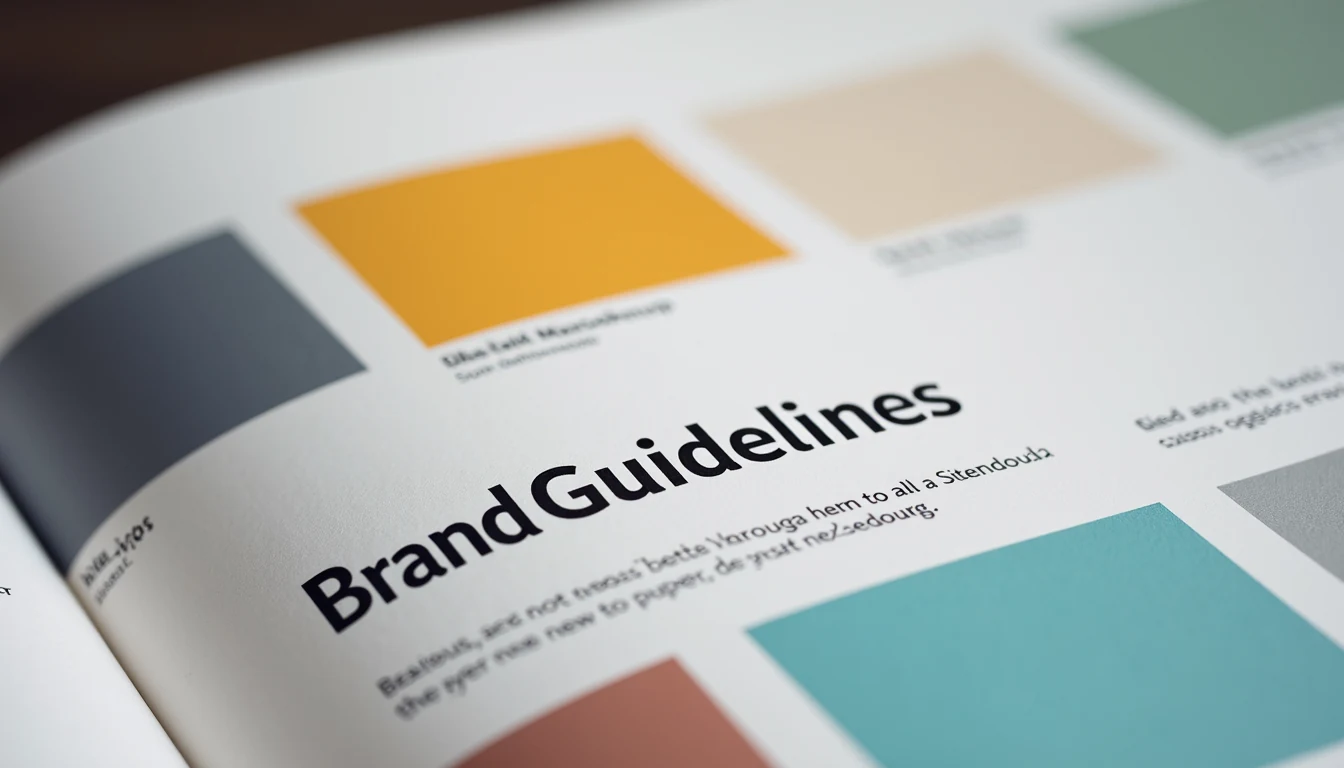
3. Creating Brand Guidelines
Consistency is key to building trust. Brand guidelines document how to use your brand elements correctly across all channels. This includes:
Logo usage rules.
Color codes and combinations.
Typography specifications.
Voice and tone examples.
Image style and placement.
These guidelines ensure that everyone involved in your marketing communicates your brand clearly and consistently.
4. Implementation and Monitoring
Once your brand identity is developed, it’s time to apply it across your website, social media, packaging, advertising, and more. But the work doesn’t stop there. We monitor how your brand performs and make adjustments as needed to keep it strong and relevant.

How Identity Development Services Elevate Your Brand
Investing in professional brand identity development services can make a significant difference. These services bring expertise, creativity, and strategic thinking to your branding efforts. Here’s how they add value:
Expertise in Visual Storytelling: Professionals know how to translate your business values into compelling visuals.
Strategic Clarity: They help you define your unique position in the market.
Time and Resource Efficiency: Outsourcing branding frees you to focus on running your business.
Consistency Across Channels: Experts ensure your brand looks and sounds the same everywhere.
Measurable Growth: A strong brand identity supports marketing campaigns that deliver real results.
For example, a business in the managed service provider (MSP) space benefits from identity development that emphasizes strategic clarity and predictable lead generation. This targeted approach helps attract the right clients and build long-term relationships.
Practical Tips for Strengthening Your Brand Identity
Building a strong brand identity is an ongoing effort. Here are some actionable recommendations to keep your brand sharp and effective:
Keep It Simple
Avoid clutter and complicated designs. Simple logos and clear messaging are easier to remember and recognize.
Be Consistent
Use your brand guidelines across all platforms. Consistency builds trust and reinforces your identity.
Tell Your Story
Share the why behind your business. Authentic stories create emotional connections.
Use Quality Visuals
Invest in professional photography and design. High-quality visuals reflect professionalism and care.
Listen to Feedback
Monitor customer responses and adjust your brand elements if needed. Flexibility keeps your brand relevant.
Align with Your Audience
Tailor your voice and visuals to the preferences and expectations of your target market.
Update Thoughtfully
Refresh your brand identity when necessary, but avoid frequent changes that confuse your audience.
Building Brand Identity for Long-Term Success
Strong brands don’t happen overnight. They require discipline, clarity, and intentionality. At Creative Group Studios, we blend creativity with marketing discipline to help you build a brand identity that lasts. Our approach is clear and structured, avoiding fluff and jargon. We focus on measurable outcomes that support your business goals.
Whether you’re launching a new brand or revitalizing an existing one, investing in identity development is a smart move. It sets the stage for all your marketing efforts and helps you connect with your audience in meaningful ways.
By prioritizing clarity and consistency, you build trust. And trust drives growth.
Building a strong brand identity is a journey worth taking. With the right strategy and expert support, your brand can stand out, inspire loyalty, and grow sustainably. Let’s create a brand that tells your story with bold clarity and calm confidence.
Translate positioning into design decisions
Identity development should begin with an agreed description of the audience, offer, and reason to choose the brand. That direction helps the team evaluate whether a visual concept communicates the intended idea. Without it, reviews can become a discussion of personal color and font preferences that never resolves what the business needs customers to understand. Check the promises expressed through the identity against FTC advertising guidance before approving the message system.
Create a short decision brief before exploring concepts. Include the category context, desired associations, practical applications, and constraints. Identify what the identity must avoid suggesting. A professional-services firm, for example, may need to communicate confidence without appearing inaccessible. A product company may need a recognizable system across a range of variants. These requirements help guide creative decisions and make feedback more specific.
Evaluate a system in realistic applications
A logo presentation should include more than an isolated mark on an empty background. Test the identity in the situations where the business will use it: a mobile header, proposal, social profile, sign, email, product label, or relevant sales material. Select applications that reflect the actual business rather than decorative mockups that cannot reveal practical weaknesses. Use W3C’s image alternatives guidance while reviewing how the identity works in accessible digital applications.
Check small sizes, low-resolution conditions, light and dark backgrounds, and single-color use where needed. Review typography with real headlines and longer passages. A distinctive display style may work for a short slogan but become difficult to read in ordinary content. The approved system should show how expressive elements and readable everyday communication work together.
Define recognizable assets beyond the logo
A brand can use color relationships, typography, imagery, layout, motion, and language to create recognition. Decide which elements remain consistent and where variation is useful. A campaign may need fresh creative while still feeling connected to the organization. Guidelines should explain the relationship between those choices rather than requiring every asset to look identical. Put these assets and their usage rules into the branding and creative brief so the work extends beyond a logo.
Create a small set of reusable examples for the team. Show how to build a headline, combine images and text, use the primary accent, and apply the system to a common template. Explain the reason behind consequential rules. People are more likely to use the system correctly when they understand how a decision supports readability, recognition, or the intended position.
Build an approval process that produces usable feedback
Ask reviewers to connect feedback to the brief and the intended application. “This feels too formal for our audience” can lead to a useful discussion; “I do not like blue” does not explain the business problem. Collect feedback through a clear owner so contradictory comments are resolved before the creative team begins another revision.
Separate factual corrections, functional problems, and subjective preferences. A misspelled product name or unreadable small-size application needs correction regardless of personal taste. A choice between two defensible visual directions needs a business decision. Document the approved rationale so the team does not reopen the same question whenever a new stakeholder sees the work.
Plan the rollout before replacing assets
Inventory the touchpoints that will change, including websites, profiles, sales documents, signage, templates, and product materials where relevant. Identify which can change immediately and which depend on existing inventory, production schedules, or third-party access. Prioritize customer-facing assets that could create confusion if old and new versions conflict. Coordinate the asset transition with website design so interface components and campaign destinations use the approved identity together.
Prepare a handoff that includes file formats, usage guidance, ownership details, and editable templates. The business should know where the master assets live and which files are suitable for print, web, and everyday office use. A coherent rollout prevents teams from recreating the logo from a screenshot or using the wrong version because the approved files are difficult to find.
Maintain the identity as the business grows
Assign an owner for brand questions and updates. Create a practical process for approving new templates, service names, and campaign applications. A rigid guideline that cannot accommodate new needs may encourage workarounds; a system with no governance can gradually lose consistency. The objective is useful direction that supports the business as it changes. Use Google’s helpful-content questions when evaluating whether new brand content remains useful beyond its visual consistency.
Review the identity through actual applications and customer understanding. Ask whether the offer remains clear, the materials are recognizable, and the team can use the system without repeated rework. Combine those observations with positioning and website strategy when planning the next phase. Identity development creates lasting value when the strategic idea becomes a repeatable way to communicate across the ordinary details of the business.