




In today’s fast-paced world, small businesses need more than just a great product or service to thrive. They need a clear, effective way to reach their audience and stand out. Digital marketing offers that opportunity. It’s not just about being online; it’s about being smart online. I want to share how you can boost your small business with digital marketing, using strategies that are clear, practical, and designed to deliver real results.
Small Business Marketing Strategies That Work
Small business marketing strategies should be straightforward and focused. You don’t have time for fluff or complicated tactics. Here are some key strategies that I’ve seen work time and again:
Build a Strong Website: Your website is your digital storefront. It needs to be easy to navigate, mobile-friendly, and fast. Use clear calls to action so visitors know what to do next.
Leverage SEO: Search engine optimization helps your business get found on Google. Focus on local SEO by including your city or region in your keywords. This drives relevant traffic.
Use Social Media Wisely: Pick the platforms where your audience spends time. Post regularly with content that educates, entertains, or solves problems.
Email Marketing: Build an email list and send newsletters or offers. Email remains one of the highest ROI channels.
Content Marketing: Create blog posts, videos, or infographics that answer your customers’ questions. This builds trust and positions you as an expert.
These strategies are not just theory. They are proven ways to grow your business steadily and sustainably. Check promotional promises against FTC advertising guidance before committing a small budget to wider distribution.
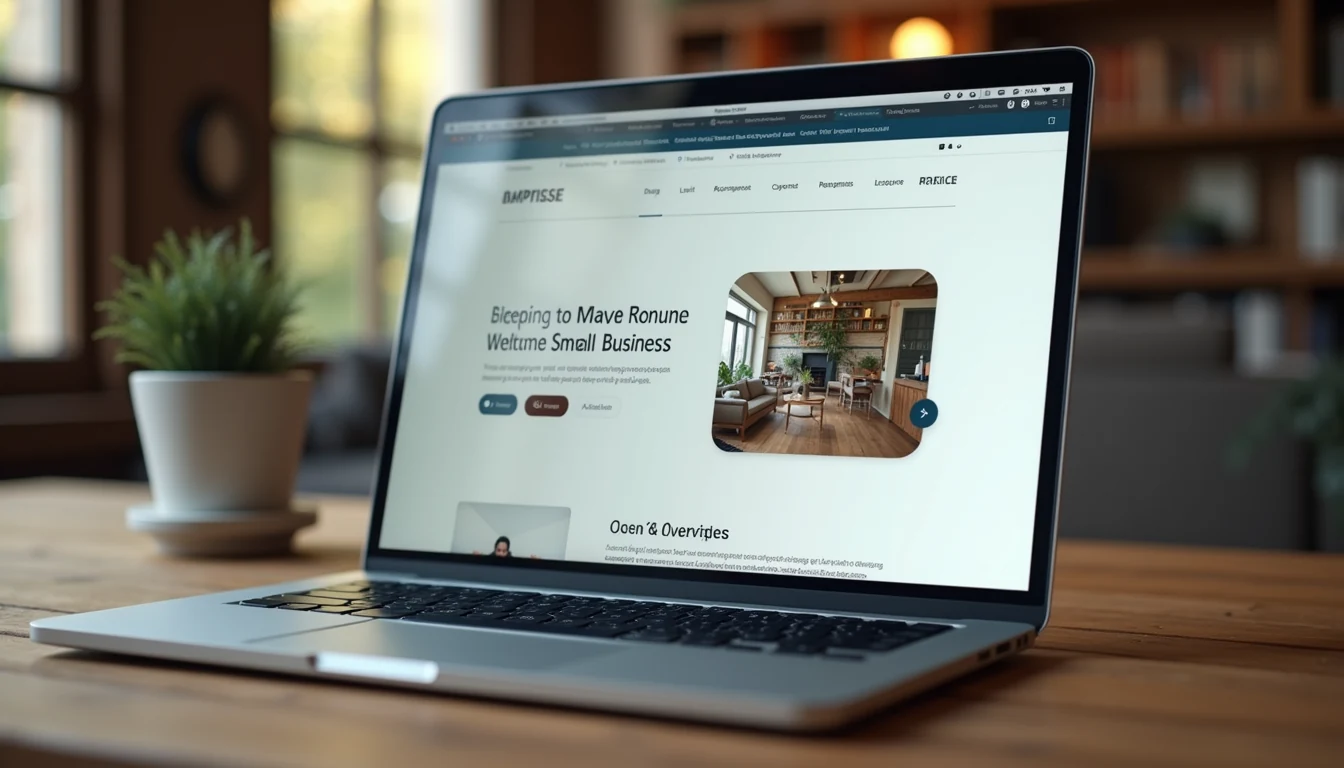
Why Digital Marketing Services for Small Business Are Essential
Many small businesses hesitate to invest in digital marketing because they think it’s expensive or complicated. The truth is, digital marketing services for small business are designed to be scalable and tailored to your needs. Whether you want to increase brand awareness, generate leads, or boost sales, there’s a service that fits your budget and goals.
For example, a local bakery might start with social media ads targeting nearby customers. A consulting firm might focus on SEO and content marketing to attract clients searching for expertise. The key is to have a clear plan and measurable goals.
Partnering with a digital marketing agency can save you time and ensure your efforts are strategic. They bring expertise in areas like SEO, AI search visibility, and visual content production. This combination helps tell your story in a way that resonates and converts.
What is the 70/20/10 Rule in Digital Marketing?
The 70/20/10 rule is a simple framework to balance your marketing efforts:
70% Core Content: This is your main content that directly supports your business goals. It could be blog posts, product pages, or service descriptions.
20% Supporting Content: Content that complements your core message. Think case studies, testimonials, or how-to guides.
10% Experimental Content: New ideas or formats you want to test. This could be a new social media platform, video series, or interactive content.
This rule helps you stay focused while allowing room for creativity and innovation. It prevents you from putting all your resources into unproven tactics but encourages you to try new things regularly.
Applying this rule means your marketing remains balanced and effective. You keep your audience engaged with reliable content while exploring new ways to connect.

Practical Tips to Implement Digital Marketing for Your Small Business
Here are actionable steps you can take right now to boost your digital marketing:
Audit Your Current Online Presence
Check your website, social media profiles, and online reviews. Identify what’s working and what needs improvement.
Set Clear Goals
Define what success looks like. Is it more website traffic, higher sales, or better brand recognition? Use specific numbers and timelines.
Create a Content Calendar
Plan your posts, emails, and blog articles in advance. Consistency builds trust and keeps your audience engaged.
Invest in Visual Content
High-quality images and videos grab attention. They tell your story faster and more memorably than text alone.
Use Analytics to Measure Results
Track your website traffic, social media engagement, and email open rates. Adjust your strategy based on what the data tells you.
Engage with Your Audience
Respond to comments, messages, and reviews. Building relationships online translates to loyal customers offline.
Consider Paid Advertising
Platforms like Google Ads and Facebook Ads allow precise targeting. Start small, test, and scale what works.
By following these steps, you create a digital marketing system that grows with your business. Use Google’s local ranking guidance to review the accuracy and completeness of the business profile before expanding local promotion.
The Role of Visual Content and Branding in Digital Marketing
Visual content is more than decoration. It’s a powerful tool to communicate your brand’s personality and values. For small businesses, strong branding helps you stand out in crowded markets.
Think about your logo, color scheme, and typography. These elements should be consistent across your website, social media, and marketing materials. Consistency builds recognition and trust.
Beyond branding, visual content like photos, videos, and infographics make your marketing more engaging. For example, a well-shot product video can increase conversions by showing your product in action.
Investing in professional visual content production is a smart move. It elevates your brand and supports your SEO efforts by increasing time spent on your site and shares on social media.
Digital marketing is not a magic wand, but it is a powerful tool. When you apply clear strategies, focus on measurable outcomes, and tell your story with compelling visuals, your small business can grow steadily and confidently. Remember, the goal is not just to be online but to be effective online.
If you want to explore how digital marketing services for small business can help you tell your story and expand your reach, start with a clear plan and a trusted partner. Your business deserves nothing less.

Digital marketing is a journey, not a destination. Keep learning, testing, and refining your approach. With discipline and creativity, your small business will not just survive but thrive in the digital age.
Start with the constraint that limits growth
A small business rarely has enough time or budget to improve every marketing channel at once. Identify the constraint that prevents a useful customer conversation today. It might be an unclear service page, an outdated business listing, an offer that attracts the wrong audience, or a contact process that receives no response. Fixing that constraint can make the next marketing investment more productive without requiring a completely new campaign. The CGS Brand Awareness Assessment can structure an initial review when the obstacle appears to be unclear recognition or positioning.
Choose one primary offer and one realistic audience for the first focused initiative. Write down the customer’s problem, the service that addresses it, and the next step you want them to take. If the offer cannot be explained in plain language, creating more social posts will not resolve the ambiguity. Use a short positioning exercise before spending time on channel-specific production.
Design a manageable weekly operating rhythm
Create a schedule the business can sustain. One useful article or demonstration can support a short email, several social observations, and improvements to a relevant website page. The formats should adapt the idea to the channel rather than repeat identical text everywhere. Give someone responsibility for checking accuracy, publishing, responding to inquiries, and recording what the audience asks afterward.
Protect time for maintenance. Update opening hours, remove expired offers, test forms, and confirm that phone or booking details remain correct. These tasks are easy to overlook because they are less visible than new creative. A simple weekly review can identify broken experiences before a paid campaign sends more visitors to them. Consistency comes from an achievable process with an owner.
Turn customer questions into specific content
Ask the people who answer calls and handle sales which questions recur before a customer buys. Good starting topics include service scope, preparation, timing, comparison criteria, and common misunderstandings. Write the answer for the person asking the question, including any conditions that change the recommendation. A useful article can acknowledge that a service is not appropriate for every situation. Use Google’s helpful-content questions to review whether an article resolves the customer’s problem before commissioning more posts.
Connect the answer to the relevant service page. A visitor reading about preparation should be able to understand the actual engagement and how to request it. Avoid forcing every educational page into an immediate sales pitch. Offer a logical next action, such as reviewing a checklist, exploring a service, or discussing a situation that requires individual attention. The next step should match the reader’s level of readiness.
Treat a budget allocation as a hypothesis
A percentage-based planning model can help a team discuss priorities, but it is not a universal prescription. The right mix depends on customer demand, existing assets, the length of the buying cycle, and the business’s ability to handle inquiries. A company with an unreliable website may need foundational work before additional promotion. A company with strong referral demand may need better follow-up and proof rather than a new channel. Try the Research Lab’s scenario calculators to see how different assumptions change a budget model before treating an allocation rule as a plan.
Set a spending limit and define the evidence that would justify continuing. For a small paid test, document the audience, offer, destination page, tracking method, and qualification criteria. Review the quality of the resulting conversations alongside cost. If visitors arrive but the offer does not fit them, adjust the audience or message before simply increasing spend. A constrained test should teach the business something useful even when it does not scale.
Create a simple lead-quality review
Record whether an inquiry matches the service area, offer, business type, and practical requirements for doing the work. Ask the sales owner to identify common reasons inquiries do not progress. The purpose is to improve the marketing journey, not to label every unsuccessful conversation as a poor lead. Some prospects need better information or a more appropriate follow-up process. Use the findings to define a focused lead generation brief, including what qualifies an inquiry and who responds.
Use a small shared scorecard with consistent definitions. Track relevant inquiries, accepted conversations, proposals where appropriate, and outcomes. Include notes about source reliability and missing information. A small business does not need a complicated attribution model to learn that a form is broken or a campaign is promoting an unavailable service. Clear records and regular review are more useful than dashboards nobody can explain.
Build assets that remain useful next month
Prioritize reusable foundations: a clear service explanation, approved product or team imagery, a short FAQ, a reliable inquiry form, and a consistent visual system. Store the editable files and access details in a location the business controls. These assets help future campaigns start from a stronger position and reduce the time spent rebuilding the same materials.
Connect the work through CGS website strategy, local search, and content planning when you need specialist support. Define the deliverables and handoff before the project begins. The business should understand what it owns, what requires ongoing maintenance, and how it will judge the next phase. Sustainable marketing creates a repeatable way to help the right customers understand the offer and take a sensible next step.